No issues except for weird behavior with windows subsystem for android on my gaming rig. I have it installed on a Surface Book2, Surface Pro 4 and the gaming desktop. Windows 10 is a solid OS and windows 11 just brings some graphical tweeks for the most part. I don't care for the new start menu but it is servicible.

Having the ability to run Android apps natively in windowed mode is game changing. It has some bugs and will need some work to make it feel truely integrated, but it's a nice start. Minor complaints aside, we like to see Microsoft giving its marquee software some attention.

For the last few years, the company has focused more on its Azure cloud computing services—justifiably given that business's profitability. Windows 11 brings slick new looks, useful new tools, updated default apps, extra capabilities, and performance advances. Perhaps that's enough to lure away some Chrome OS users or Mac users. Anyone with one of the newer chips should have no trouble installing Windows 11 via Windows Update.
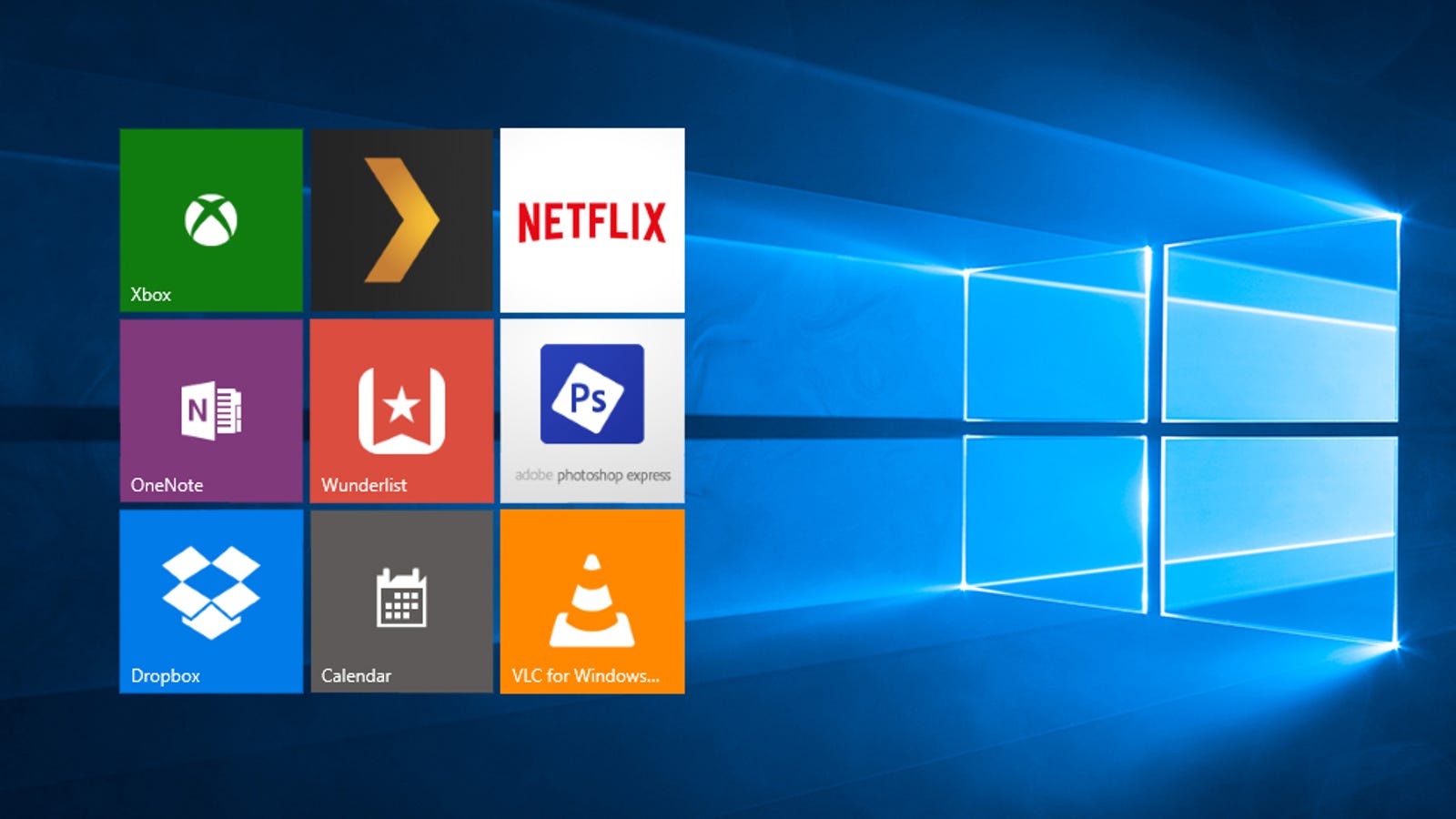
Windows 11 Upgrade Worth It Microsoft made a downloadable ISO disk image file for the beta Insider version available for installing Windows 11, allowing in-place upgrades or clean installations on a PC or in a virtual machine. A similar installation option is now available for the release version of Windows 11 via Microsoft's Download Windows 11 page. For new users, Windows 11 will seem like a good option with the new design. You get rounded corners, a departure from the sharp edges we've seen in Windows for a long time. The Start Menu is now cleaner, featuring pinned apps and a recommended tab that shows you files based on your recent usage.
The desktop more or less stays the same, but the right-click menu gets a simplified look, with the most common options like cut, copy, paste, and rename, at the top in a grid. Game Pass is clearly Microsoft's flagship gaming product, offering day-1 first-party releases and a huge library of third-party games that come and go over time. On Xbox consoles, Game Pass is a seamlessly integrated experience that works flawlessly, but on Windows 10 systems it felt clunky and a little slapped-together. We and other Windows 10 users have experienced many bugs and problems related to corrupted game files, strange Windows Store integration problems, and failed game uninstallations that fail to give back storage space. Usually, upgrading from an older release requires complete reinstallation, and the process can sometimes cause unexpected problems. In addition to possible unknown and known issues due to the new system changes, you may also stumble upon software and compatibility problems if the computer has outdated drivers.
Or if it has poorly designed apps, programs designed for an older version of Windows, or third-party security software. As with Windows 10, you can let the company know what you'd like to see added to the software in a dedicated Feedback Hub app, and you may be surprised at how often it listens. Anyone can sign up for preview builds of the OS through the Windows Insider Program. This lets you experience new features before they're available for general release. The next major update, 22H2 is expected to add Start menu options, some redesigned stock apps, and machine-learning intelligence.

However, I need to address the elephant in the room here - I guess the main reason why people would dislike Windows 11 is... Also don't count on rollback option, on my desktop PC it worked perfectly. On the laptop is completely broken, there is no way to disable Insider after rolling back from Windows 11 to 10. No matter what you do it keeps downloading Windows 11 in background and asking to restart for installation. The only thing that worked was disabling next version of Windows, but it crippled the functionality of my Windows 10, now I don't know how many and which updates it will skip.

Also this partial solution will only work for the Pro edition. However, since you must upgrade manually and during the early days of new feature updates, bugs and compatibility issues are known to happen, the question remains whether you should install version 21H2. There are a few risks that come along with not updating to Windows 11, these include losing out on the latest features, security updates, patches, and compatibility with upcoming security features and applications.

Many games that use Anti-cheat tools also have started relying on Windows 11 security features to provide fair gameplay. While these games still work on Windows 10, it is only a matter of time before Windows 11 ends up becoming a requirement. File Explorer is a good example of Windows 11's new look, particularly its updated left panel controls and folder icons.
Note the simplified ribbon along the top, which is far less busy and distracting than the previous File Explorer's. The New button at the top left works for new folders or documents supported by your apps, and the same viewing options for files are available. The overflow menu offers file compression, selection, and Properties options, as well as the old Folder Options dialog. The right-click context menus, which have grown longer and longer over the years, get shorter, smarter, and clearer in Windows 11. Other than that, it feels like a badly reskinned windows 10, menu options are less and the start menu is huge with no decent customisation or pinning apps.
Upgrade to Windows 11 if you have a new system — If you have a new computer or laptop with some solid hardware, and especially one that came with the promise of a Windows 11 update, you should upgrade to Windows 11. Microsoft has designed Windows 11 for newer systems. As such, you're less likely to run into performance issues and bugs.

For long-time Windows users, this update may cause a few annoyances. For example, the taskbar can no longer be resized or moved. The start button resides in the center by default, although you can move it back to the left. Also, the right-click menu hides away some menu options, like some app-specific functions you get with apps like Winrar, or some other Windows options like Troubleshoot compatibility. If the Microsoft Surface family of products isn't your style though, other brands like Dell, Asus and HP have all released pages online that specify what devices are Windows 11 ready.
Note that many won't come with the new operating system installed, but as they all meet the minimum system requirements, you can simply buy the laptop or 2-in-1 as normal and then update it yourself. But no games use it yet and it's also coming to windows 10 It looks pretty slick, but the rounded corners are inconsistent and the "Mac" style start menu isn't for everyone though you can change it. Those are the only pros I can think of for the average user. In my opinion, wait 6 months for Microsoft to fix its OS and don't bother until then. Don't upgrade for a couple of months at least or until there is a feature you will really want like DirectStorage or android apps when they release.
It's still buggy and not at all different to windows 10. To be honest windows 10 has more features at the moment like drag and drop into taskbar and is significantly more stable the only nice feature is that it looks slightly nicer and is more secure. Using the enablement package approach reduces the number of problems during and after an in-place upgrade or clean installation. However, it does not resolve the issues with the feature update . Although the new operating system does not seem to have significant problems thus far, you may still come across issues.
Apple's Macs still allow for local account creation during setup, and you can skip signing in when you set up iPhones and iPads . Android likewise needs an Internet account for activation but doesn't require signing in to get you to the home screen. Even Chrome OS has a guest mode that you can use to enable basic browsing without a user account.
For users who are having difficulty with the search queries, the best option is to rebuild the search index. Open Settings by pressing Win+I, click on Privacy & Security, and then on the right pane select Searching Windows. In the window that opens, select Advanced indexing options at the bottom, thereafter, select the Advanced button.
Here click the Rebuild option; this will fix the indexing issue and the files or apps should now show up as usual. If you're unable to use Chrome on Windows 11, this could be due to a wide number of reasons. It could be due to compatibility issues, corrupted files, or conflicting app behavior. To troubleshoot, you can restart your system and check back on Chrome to see if it is working fine.

Else head over to the Google Chrome icon, right-click on it and select Properties. Then click on the Compatibility tab and select Run compatibility troubleshooter. At your own risk, you may also want to try to disable any antivirus program you have installed on the system – or whitelist Google Chrome from its settings. However, every major operating system launch comes with its fair share of issues, as we've mentioned above, so getting the very best experience might require letting other people do the early testing for you.

Microsoft will be working hard to identify and fix problems as they occur, which is why it's a good idea to hold fire for a few days or weeks. Let other people encounter those problems first, then in a few weeks, download Windows 11 safe in the knowledge that most problems will be fixed. I installed the beta today just to do a test on a website and I didn't like how they removed many functionalities of the taskbar and the start menu. So far, the only advantage Windows 11 has on Windows 10 is the new settings app. I like the new looks, the huge upgrade to the settings app, and I actually kind of like the tile-free start menu.
Plus the edge swipe gestures are a major downgrade for tablet users, at least for me. I'm going to tough it out and see if MS can iron out some kinks. I am not sure how many people move the taskbar, but I keep doing it to get more vertical space for Windows on wide aspect ratio screens. There are many users who, after the release of Windows 11, went ahead and checked whether their PC is eligible to be upgraded with Windows 11. Sadly, they found out that their PC does not meet the minimum requirements to install Windows 11. In this case, the question arises what options are left then?

To put it simply, the best option here is to buy a new PC before the deadline, i.e. 2025. There have been a few reported performance issues with Windows 11. The most prominent one causes a performance drop on AMD Ryzen systems.
An update seems to have fixed this issue, which was related to the L3 cache. However, Hardware Unboxed has discovered another issue with Windows 11 and AMD CPUs, also related to the L3 cache. This issue requires you to reinstall Windows 11 if you're swapping the CPU in your system. This isn't really something most users will do though. So it can't count as a general strike against performance in Windows 11.
Windows 11 is a free upgrade, but the minimum system requirements are quite a bit higher than ever before. Microsoft calls Windows 11 the most secure Windows yet, and that tag comes at the cost of backward compatibility. Trusted Platform Module 2.0, aka TPM 2.0, is one of those requirements. There are ways to manually install Windows 11 on incompatible systems, but those include giving up on official future updates via Windows Update and/or modifying the Windows 11 ISO file to remove security checks.

Arguably, Microsoft jumped the gun with Windows 11, which had its share of issues and bugs at launch. Some of them were fixed in consequent updates, while others persist even today. Window 11 cannot be called flawless after months of tinkering around since some issues still persist and are reported by users on forums from time to time. On the touchscreen, you can slide from the left on the desktop to have widgets appear. If you said yes, not only would the computer install Office updates automatically, it would install all updates automatically. The next Patch Tuesday would arrive — and Windows Updates would be installed (to the dismay of users who specifically didn't want that to happen).
Users were convinced Microsoft had changed their settings without their consent, even though they had done so by saying yes to those two questions. For example, Windows 11 has new Contrast themes, redesigned closed caption themes, and AI-powered Windows Voice Typing. The new OS also adds APIs for programming assistive apps, and even the Windows Subsystem for Linux now has accessibility options. The new Settings interface is pleasantly redesigned, but some advanced dialogs still show elements of the old design.One of the more irksome things about Windows 10 is its inconsistent settings windows and dialogs.
Sometimes you uninstall a program in the new Settings app, sometimes in the antiquated Control Panel. That inconsistency goes away in Windows 11—almost entirely. For some detailed controls, such as sound devices, you still see the content in the old style, though the window uses the new design. I'd wait not in no hurry yet to upgrade until everything is ironed out.
The best answer is "yes," when Microsoft released Windows 10 21H2 on November 16, the new version was signed off as stable and safe to install on devices running version 2004, 20H2, and 21H1. Some previous Windows versions were vastly different from their predecessors. This led to significant issues when users upgraded, including data loss and driver and program incompatibility.
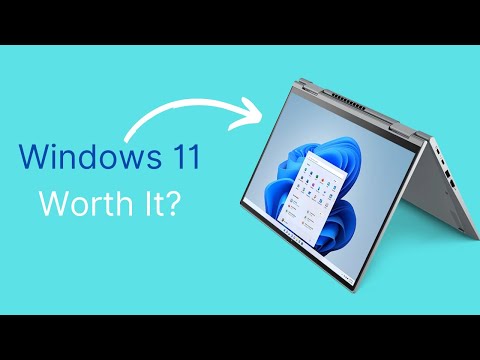
Fortunately, Windows 11 is pretty much just a big update for Windows 10 as opposed to a radically different OS. This means aside from the cosmetic changes; almost everything works the same way. Windows 11 is once again being causing some issues for users, this time with numerous reports of slower performance of NVMe SSDs using the operating system.
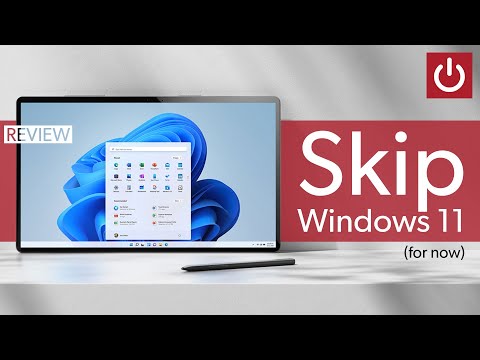
The reports can be found on multiple Reddit threads, as well as on Microsoft's support forums , and they're actually not new. Reports on this problem go back a few months, when Windows 11 is still in preview, but the complaints persist two months after launch. The design itself looks good, but there are a few functionality quirks here and there.

If you play a lot of PC games, I recommend Dolby Atmos for Headphones. It's part of the Dolby Access app and will set you back $14.99 for the license, but if you're a gamer who wants to hear all the footsteps of your enemies, then it's well worth it. The license also extends to an Xbox, so if you have an Xbox One or Xbox Series X / S, you'll get full Dolby Atmos support there, too. There's even a 30-day trial, so you can try Dolby Atmos for Headphones and see if it sounds better than Microsoft's built-in Windows Sonic spatial sound option. On June 24, 2021, Windows 11 was introduced first and its official version was released on October 5, 2021. Since the release of this new operating system, many users have upgraded to Windows 11 because of its brand new UI design and some new features & improvements.